
Navigator International’s Role in Construction and Defense Support
Large government projects often depend on more than builders, equipment, and approved plans. Defense customers also need logistics, technical coordination, secure supply channels, training, and long-term support that keep facilities and systems working after delivery. Navigator International brings those functions together across domestic and overseas assignments, linking construction activity with the operational needs behind each mission.
Integrated Planning Connects the Facility to Its Mission
Successful defense construction starts by defining what the finished site must allow personnel to do. Designers and project managers study security levels, equipment loads, traffic patterns, communications needs, maintenance access, and future expansion before crews begin work. Early planning helps prevent a building from meeting basic structural requirements while falling short of the mission it was created to support. Accurate scope development can also reveal permitting, utility, staffing, or procurement concerns before they become expensive field problems.
Design and Construction Move Through One Coordinated Process
Project integration keeps architects, engineers, suppliers, field supervisors, and government representatives focused on the same requirements. Clear review points allow teams to resolve drawing conflicts, material substitutions, access restrictions, and schedule changes before those issues affect completed work. Services associated with Navigator International Government construction fit this model by connecting concept development, design, fabrication, supply, and field execution.
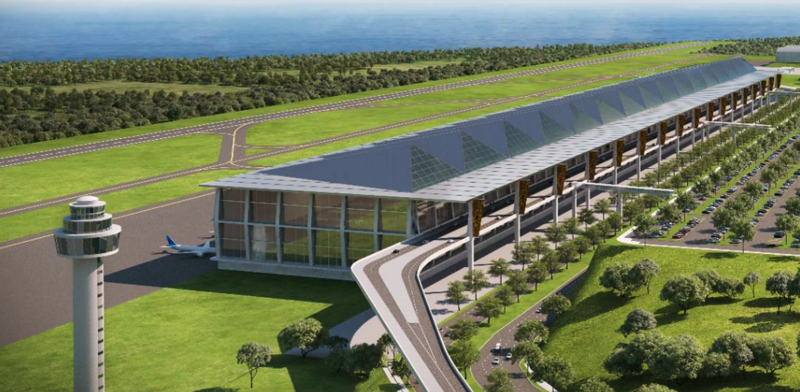
Close coordination also matters on military sites where active operations continue beside the work zone. Phased schedules may need to protect flight activity, vehicle routes, secure areas, utilities, or personnel movement throughout construction. Careful sequencing gives contractors room to work while helping the installation maintain daily readiness. Written communication procedures further reduce confusion by showing who may approve changes, release information, or accept completed phases.
Global Supply Support Keeps Remote Projects Moving
Remote construction can stall because a small component is unavailable, delayed at customs, or shipped without the right documentation. Procurement teams check technical specifications, export rules, packaging needs, delivery routes, and regional building requirements before an item leaves its source. Worldwide resources available through Navigator International Global Construction can support this process across multiple markets and project locations.
Specialized Facilities Require More Than Standard Building Methods
Purpose-built defense sites often include hangars, motor pools, ranges, command spaces, airfield infrastructure, secure buildings, and maintenance areas. Each facility carries distinct demands involving clearances, ventilation, power, fire protection, communications, protective construction, and heavy equipment. Standard commercial details may not address those conditions without substantial modification.
Experienced teams translate operational requirements into practical field instructions that subcontractors can follow. Mockups, first-work inspections, testing plans, and controlled submittals help confirm that installed systems match the approved design. Through global construction management, those checks can remain consistent even when labor practices and available materials differ by region. Documented results give owners a dependable record for acceptance, warranties, maintenance, and later renovation.
Defense Logistics Extend Beyond the Construction Fence
Operational support does not stop once a structure reaches completion. Government customers may need parts sourcing, inventory management, warehousing, shipping, equipment support, technical documentation, and sustainment services throughout the facility’s working life. Nav Int connects these needs with broader construction planning so replacement items and service access are considered before turnover.
Training and Technical Support Strengthen Readiness
Personnel must understand how to use new equipment, maintain installed systems, and respond when something fails. Training materials can include classroom instruction, hands-on exercises, interactive content, maintenance procedures, and role-specific guidance for operators or technicians. International government construction assignments benefit from training that accounts for local staffing, language needs, available tools, and supply limitations.
Ongoing technical support also helps agencies adapt facilities and systems as missions change. Engineers and logistics specialists can review aging components, identify replacement options, update documentation, and plan modernization work without treating the original project as a closed file. That continuity protects earlier investments and reduces disruption during later upgrades. Regular coordination keeps future modifications aligned with security, budget, and current operational priorities.
Long-Term Coordination Brings Construction and Defense Support Together
Reliable delivery depends on a team that can manage both the physical project and the systems surrounding it. Navigator International Construction Company capabilities include project integration, design and engineering, fabrication, supply, quality control, logistics, and closeout support for government and defense-related work. Combined oversight gives decision-makers a clearer view of cost, schedule, compliance, and field conditions.
Ultimately, Navigator International offers a practical link between construction execution and defense sustainment. Their experience supporting government customers, overseas operations, technical services, and secure facilities can help project teams coordinate the many details that influence readiness long after builders leave the site.


