
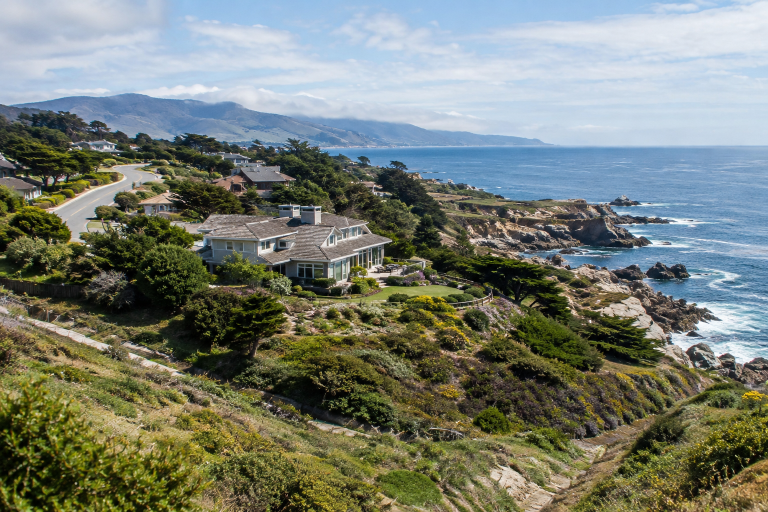
What to Look for When Buying a Coastal Home in Carmel, California
Key Takeaways
- Judge a coastal home by its full ownership cost, not just the purchase price.
- Review flood exposure, elevation, drainage, and insurance before key contract deadlines.
- Inspect for wear related to moisture, wind, sunlight, and salt air.
- Confirm permits, HOA rules, rental limits, and access rights.
- Use recent closed sales and realistic expenses when considering resale value.
Buying near the water in Carmel and across the Monterey Peninsula can be rewarding, but a view should be only one part of the decision. The right property must also suit the buyer’s budget, routine, maintenance tolerance, and long-term plans. Buyers comparing Carmel, Pebble Beach, Pacific Grove, Monterey, Carmel Valley, and Carmel Highlands can use the local market perspective of the Carmel real estate team Scherling Properties. Scherling Properties offers home search, valuation, neighborhood, buying, and selling resources, with a local focus on communities throughout the Monterey Peninsula.
Coastal ownership brings conditions that deserve extra attention, including salt air, seasonal weather, drainage, insurance, access, and local use rules. A careful review before making an offer can help buyers choose a home that remains practical long after the first sunset viewing.
Table of Contents
- Look Beyond the View
- Match the Home to Daily Life
- Review Flood Exposure and Elevation
- Price Insurance and Ownership Costs
- Inspect Coastal Construction
- Check Rules and Records
- Consider Rental Plans
- Think About Resale
- Due Diligence Checklist
- Common Buyer Questions
1. Look Beyond the View
An ocean view can be a meaningful feature, but it should not outweigh the property’s daily realities. Oceanfront, hillside, village, and inland locations may differ in wind exposure, privacy, parking, traffic, noise, beach access, and drainage. Visit at different times of day when possible. A quiet weekday morning and a busy weekend afternoon can reveal very different conditions around the same home.
2. Match the Home to Daily Life
Picture an ordinary weekday rather than only a vacation weekend. Check travel time to groceries, health care, schools, restaurants, and major roads. Buyers who work remotely should test mobile coverage and internet options. Also consider stairs, guest space, storage, parking, and whether services remain convenient outside peak visitor seasons. A beautiful second home may still feel burdensome if routine upkeep requires constant coordination from afar.
3. Review Flood Exposure and Elevation
Flood risk can differ substantially between nearby streets and even between adjacent lots. Start by reviewing the exact address in the FEMA Flood Map Service Center, then ask for available elevation information, prior water intrusion records, repairs, and insurance claims. Look closely at driveway drainage, crawl spaces, foundations, lower rooms, and grading. Public maps are a useful starting point, but they do not replace advice from qualified inspectors, surveyors, lenders, and insurance professionals.
4. Price Insurance and Full Ownership Costs
Before making an offer, build a budget that includes mortgage payments, property taxes, HOA dues, utilities, homeowners insurance, flood or wind coverage, landscaping, pest control, and reserves for major repairs. Request property-specific insurance quotes during the inspection period. Deductibles, exclusions, coverage limits, and separate policies can materially change the cost of ownership. Plan for roofs, HVAC equipment, decks, drainage features, pools, docks, retaining walls, or seawalls when those features are present.
5. Inspect Coastal Construction and Materials
Salt air, humidity, wind-driven rain, and sunlight can accelerate wear on exterior materials and mechanical systems. A thorough inspection should review the roof and flashing, windows, doors, HVAC equipment, electrical components, plumbing, drainage, crawl spaces, decks, balconies, railings, siding, paint, and exterior fasteners. A general home inspection is the starting point, not always the finish line. Depending on the property, specialists in roofing, structural, moisture, septic, pool, dock, or seawall may be appropriate.
6. Check Rules, Permits, and Property Records
Do not assume every existing feature is permitted, transferable, or allowed under current rules. Review HOA or condominium documents for renovation, parking, pet, rental, and exterior-use restrictions. Verify permits for additions, converted rooms, decks, pools, sheds, and major upgrades. Review easements, boundaries, access rights, title documents, repair records, and any coastal or special-zoning requirements. An unpermitted conversion, for example, may affect financing, insurance, taxation, and resale.
7. Consider Rental Plans With Care
Rental income should be treated cautiously until local rules and actual operating costs are confirmed. Check city, county, and HOA requirements, including permits, occupancy limits, parking rules, taxes, and any restrictions on short-term stays. Then subtract management, cleaning, utilities, platform fees, repairs, insurance, and vacancy periods from projected income. A coastal home can still be a worthwhile lifestyle purchase even if rental revenue is limited, but the purchase should not depend on optimistic assumptions.
8. Think About Future Resale Value
Evaluate the home through the next buyer’s eyes. Recently closed sales are generally more useful than active asking prices when assessing market support. Practical features such as parking, storage, usable outdoor space, access, layout, condition, and manageable carrying costs can broaden the buyer pool. Consider whether insurance availability, deferred maintenance, rental restrictions, or difficult access could matter if you need to sell within three to five years.
9. Coastal Home Due Diligence Checklist
- Confirm the flood zone, drainage conditions, and available elevation information.
- Request homeowners, flood, wind, and other applicable insurance quotes.
- Review HOA, permit, zoning, rental, and coastal-use requirements.
- Schedule a full home inspection and relevant specialist inspections.
- Review roof, HVAC, plumbing, electrical, foundation, and moisture conditions.
- Check repair records, claims history, easements, and boundary information.
- Visit at more than one time of day and, if possible, in more than one season.
- Compare recent closed sales and calculate a realistic monthly ownership cost.
10. Common Questions From Coastal Buyers
Is every coastal home in a high-risk flood zone?
No. Risk depends on the precise location, elevation, drainage, construction, and local conditions. Distance from the water alone does not provide a complete answer.
Should I get an insurance quote before making an offer?
Yes. Early quotes can reveal deductibles, exclusions, coverage limits, and availability issues that may affect both your budget and negotiating strategy.
Is an older coastal home automatically a poor choice?
No. Older homes can offer established locations and character. The key is to understand their condition, maintenance history, construction quality, permits, and likely future repair needs.
Final Thoughts
The best coastal purchase is not necessarily the home with the largest view or newest finishes. It is the one whose location, condition, insurance profile, rules, ongoing costs, and future flexibility fit your real life. A thorough review before making an offer can make owning coastal properties in the Carmel area more enjoyable and manageable.


